
10 Broadway


Supporting UN Sustainable Development Goals



Project description
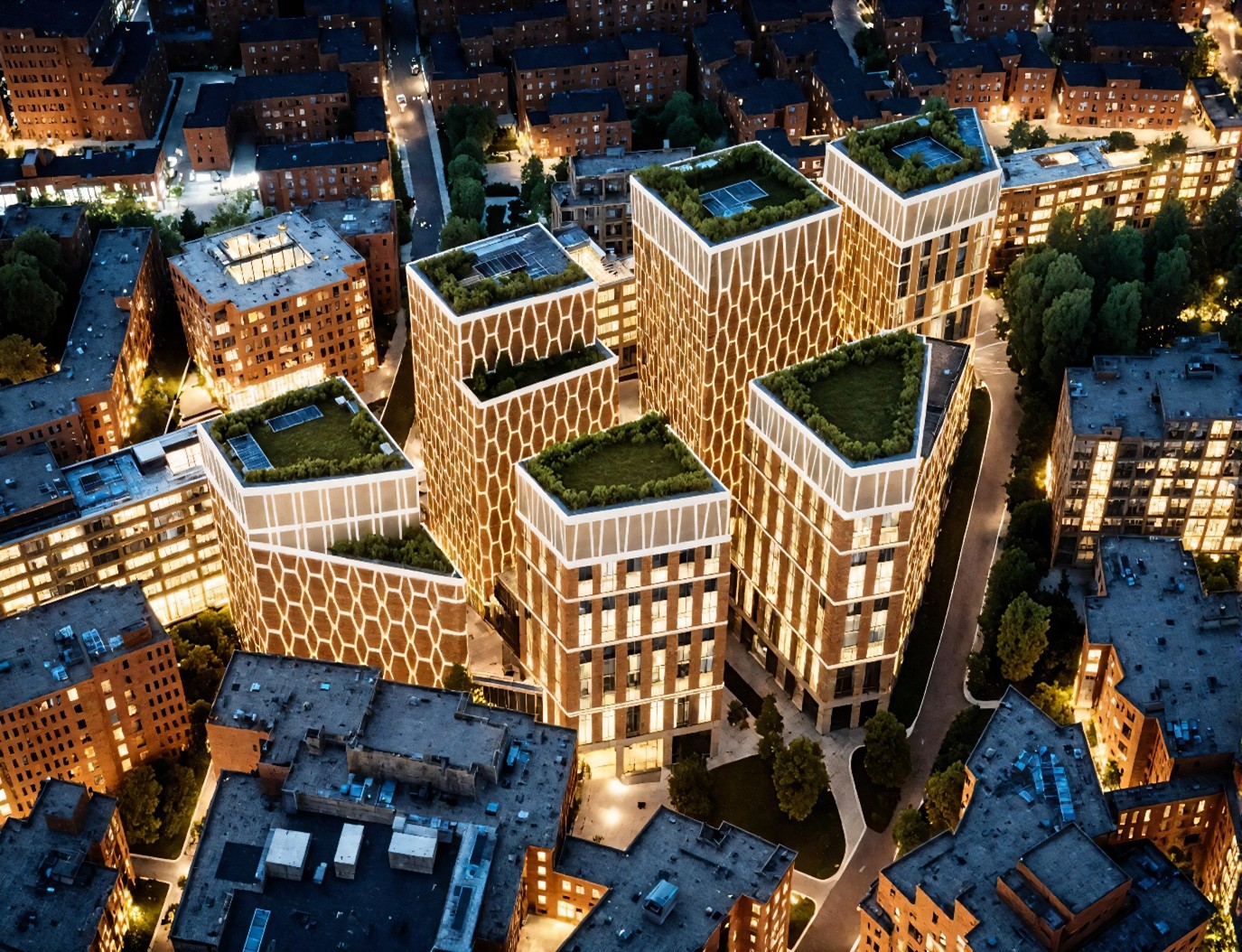
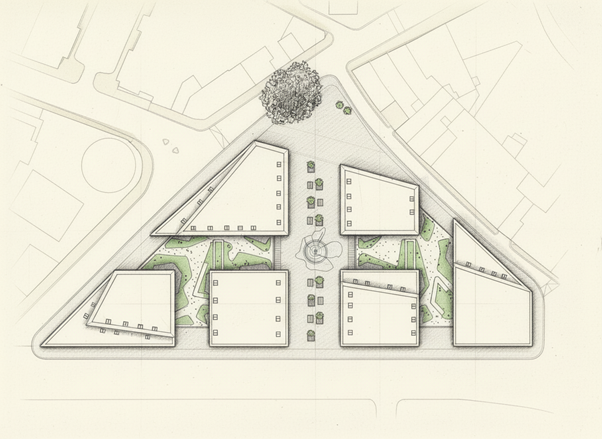
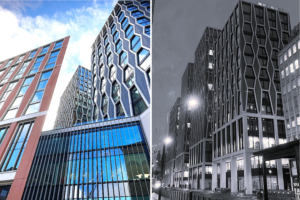
10 Broadway is a major mixed-use development in Westminster, London, transforming the former Metropolitan Police headquarters into six new buildings around a central public courtyard. The scheme combines residential, office, retail, and leisure spaces, delivering over 250 apartments and significant commercial floor area. Buildings range from 13 to 19 storeys, designed to respect the surrounding urban context and heritage assets while creating a vibrant new destination in the heart of the city.

Design constraints
The central London location imposed multiple constraints. Underground tunnels and utilities limited foundation options, requiring close coordination with transport authorities. Proximity to listed buildings and conservation areas demanded strict controls on massing, façade articulation, and construction impact. Architectural ambitions for slender towers with heavy precast façades and stepped massing introduced structural complexity, alongside challenges from a large basement requiring careful sequencing and waterproofing.

Engineering response
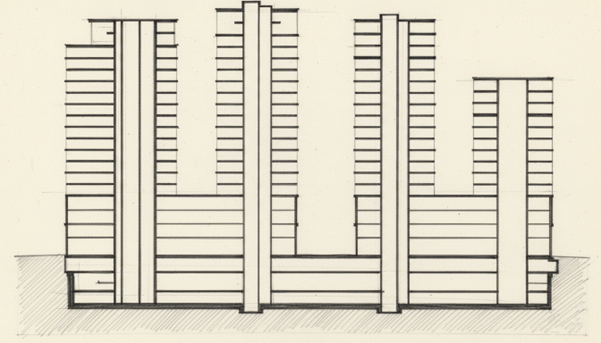
The structural solution balanced architectural vision with buildability and performance. Reinforced concrete frames with central cores provided stability, while transfer structures at podium and basement levels supported open-plan spaces. A top-down method enabled basement delivery under tight access and ground conditions, using secant pile walls for support and waterproofing. A piled raft foundation avoided costly pile extraction despite unknown as-built locations. Coordination with façade and services ensured structural zones supported deep cantilevers and recessed terraces.

Impact
10 Broadway demonstrates how integrated engineering can overcome heritage and infrastructure constraints to deliver a landmark mixed-use scheme. Movement joints, transfer structures, and top-down basement construction enabled efficiency and safety without compromising design quality. The result is a high-profile development that enriches London’s skyline and exemplifies the value of thoughtful structural design in dense, historically-sensitive urban contexts.
Mark Boyle, as Project Director, and Theo Mourtis worked extensively on this project while they were with Robert Bird Group.